You don’t have to look all that hard to find photographers irked about digital photos being too clean, too sharp, and, I guess you could put it, too high quality. This week I’ve been experimenting with just how to rough up my digital photos by adding an analog process into my workflow: printing on cheap, textured paper.
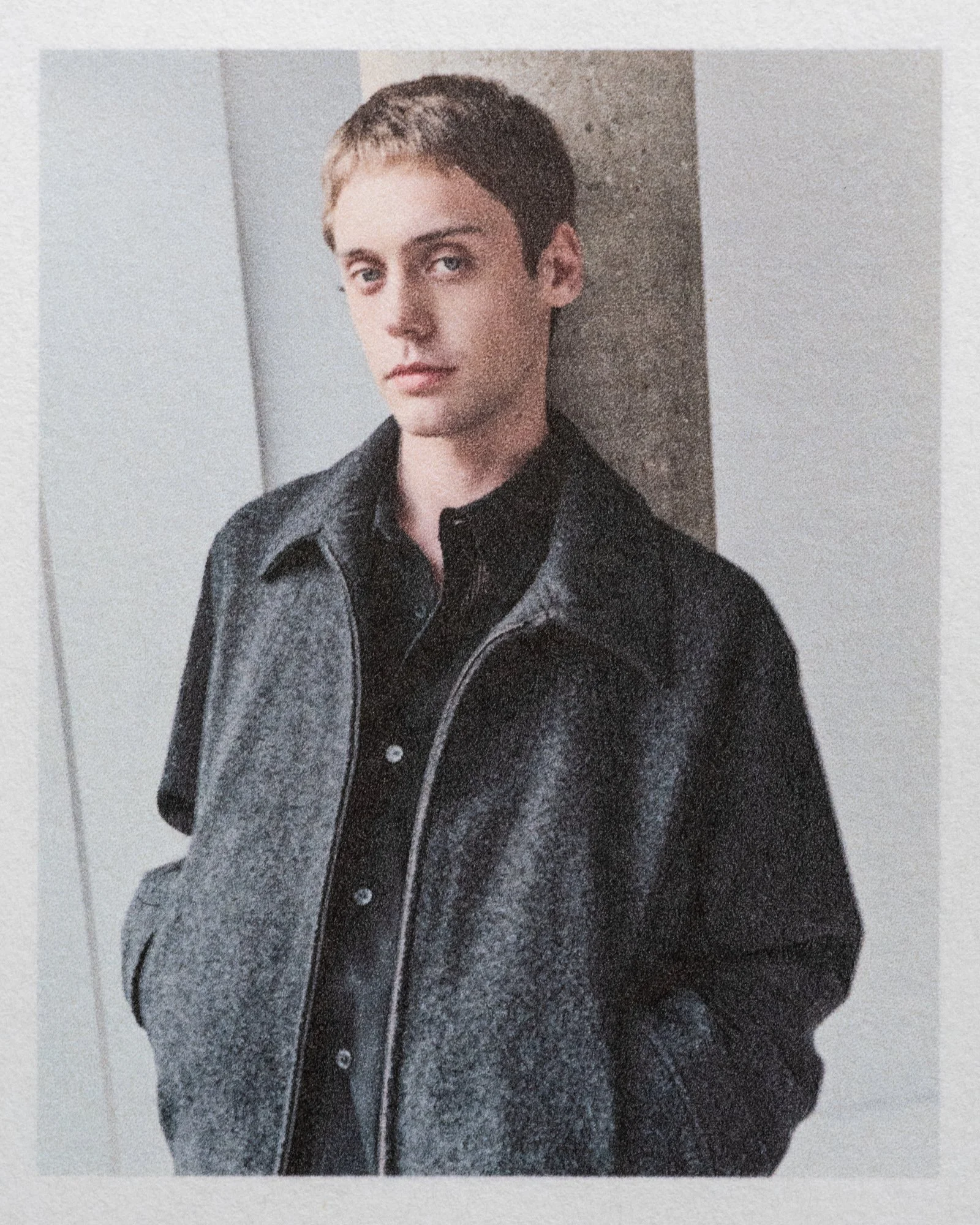
My initial plan was to do this for some images from a lookbook I shot last year, but I decided to include some photos from Japan as well. The fashion photos were shot on a Nikon Z8, and the travel/street/whateveryouprefer photos were shot on a Ricoh GRIII. Here are the digital photos:
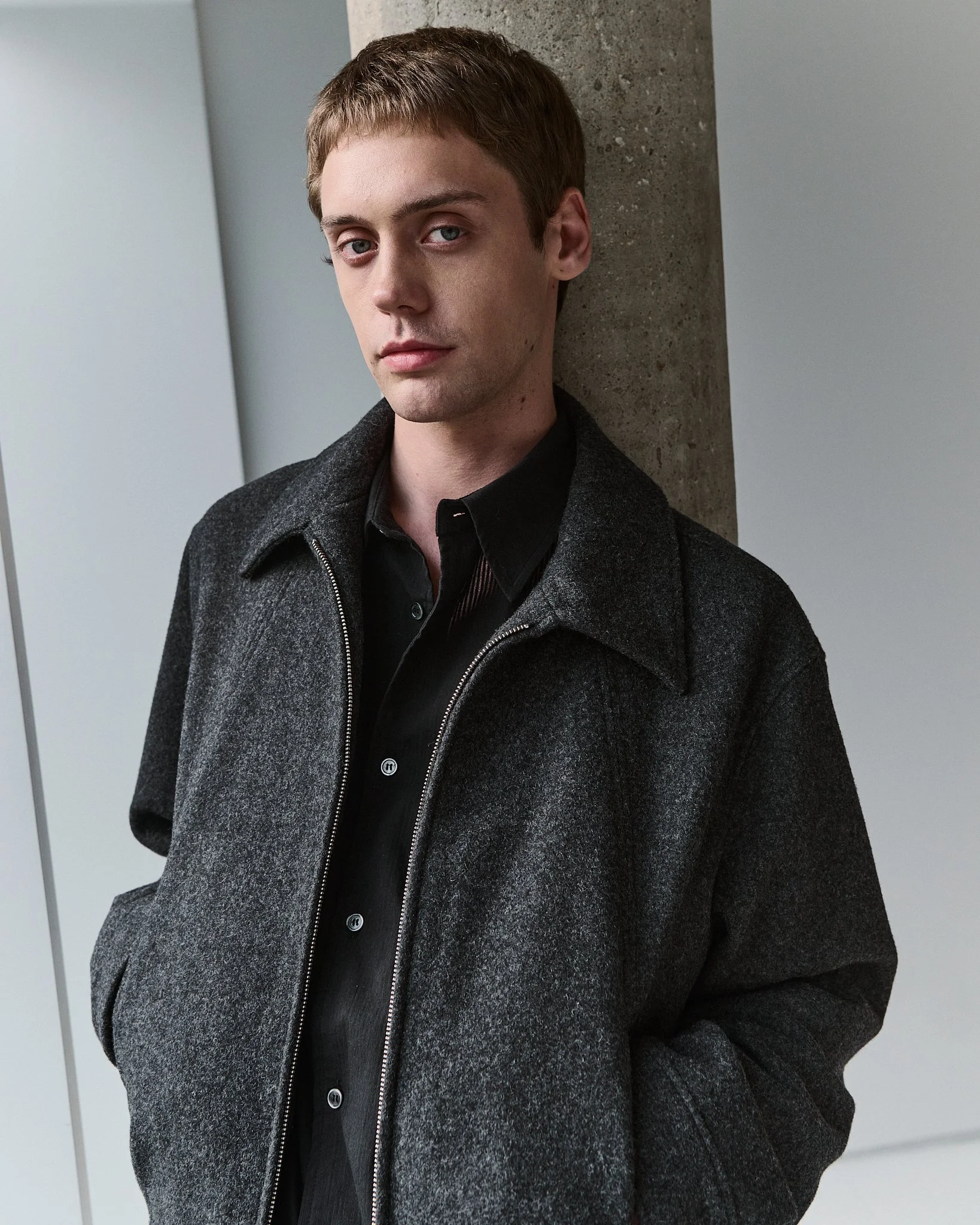
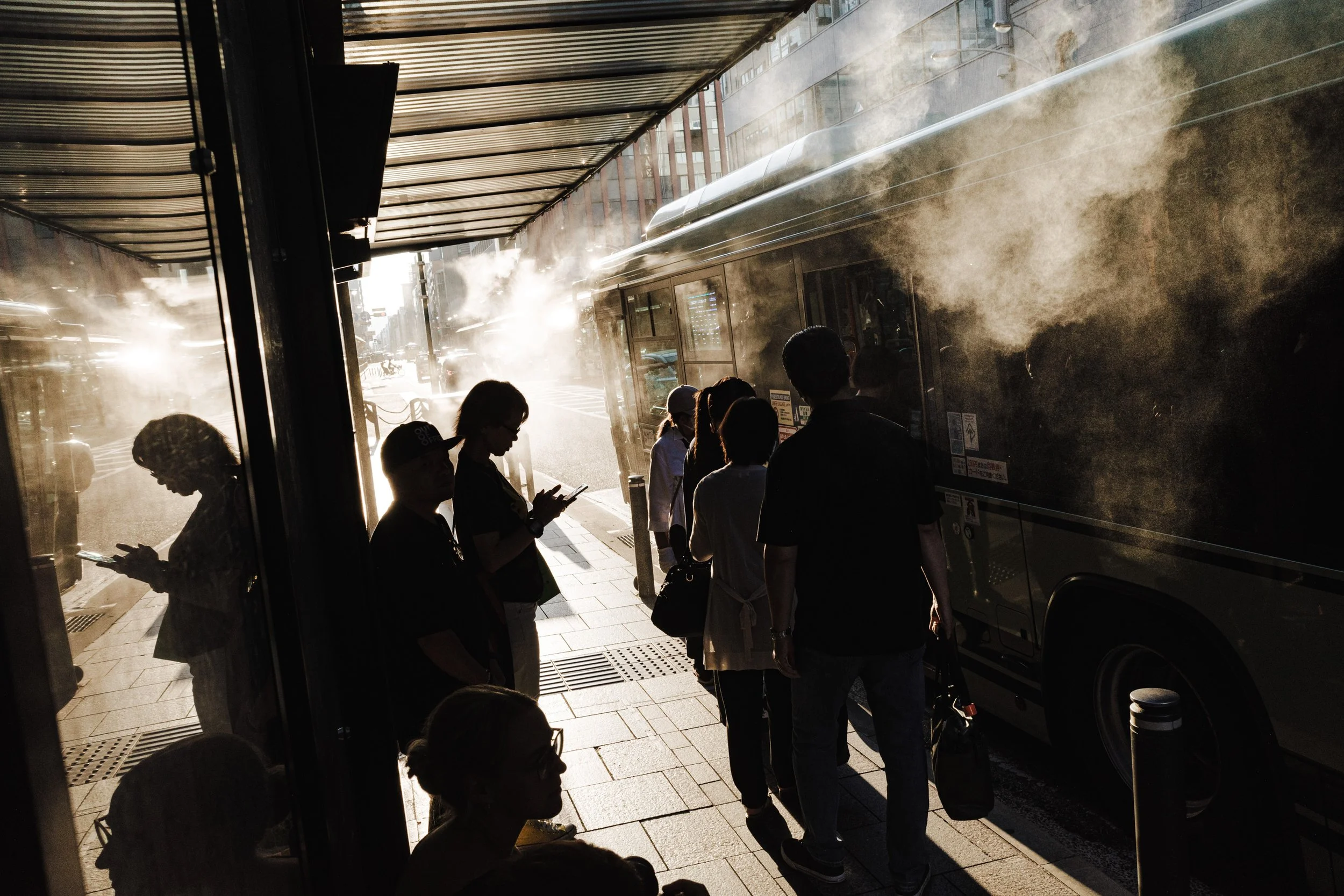
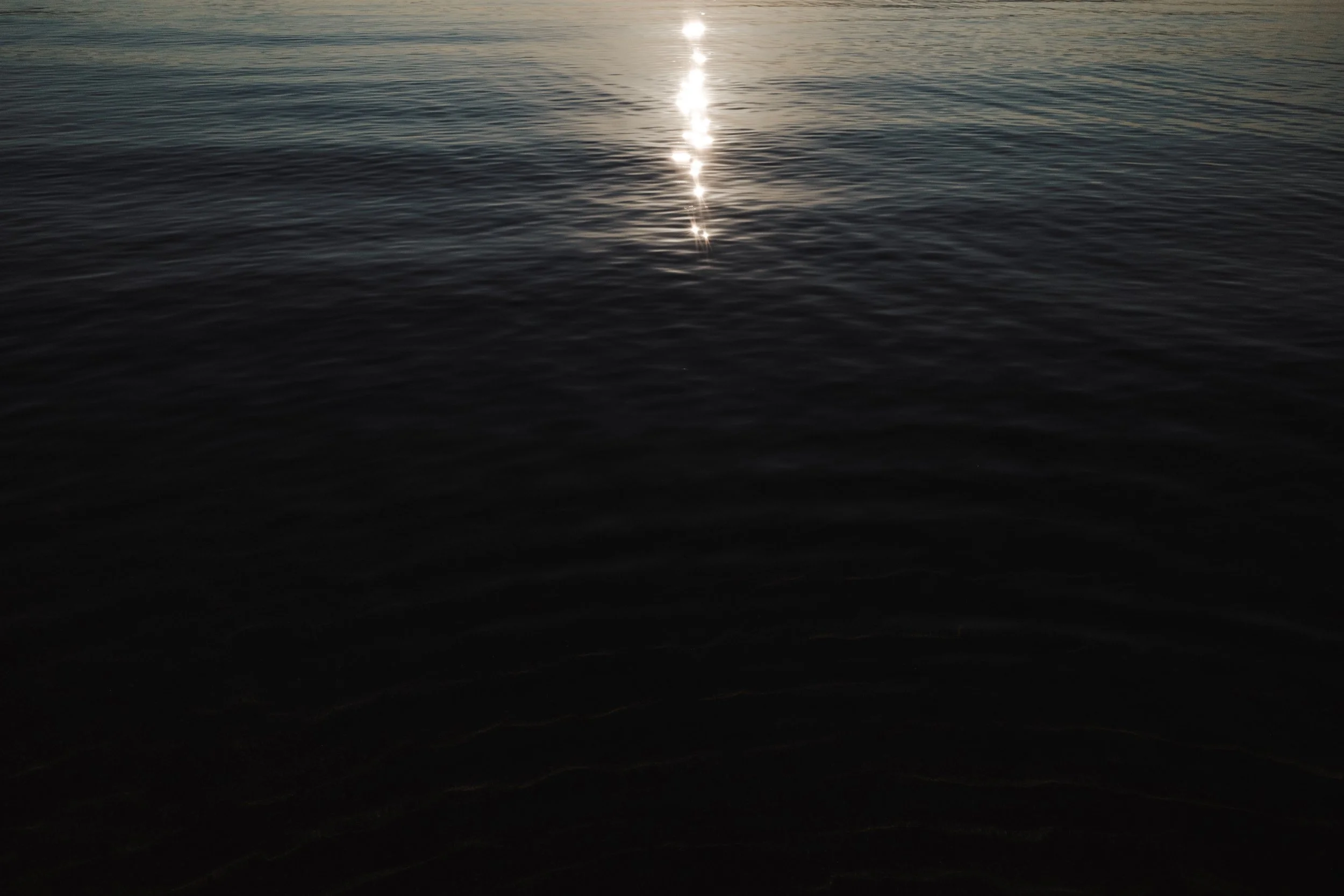
I decided to test this process on my midrange Canon iP8770 printer. I have a higher quality Canon Pro-500 printer as well, but seeing as the goal is to actually reduce the fidelity of the images, I figured the smaller printer was a better fit. The iP8770 also has only 6 inks (compared to the Pro-500’s 12) which means there’s a limitation in just how wide a colour range it can produce. For my intentions, less colour is actually a positive - I’m aiming for a softer, more muted version of the images.
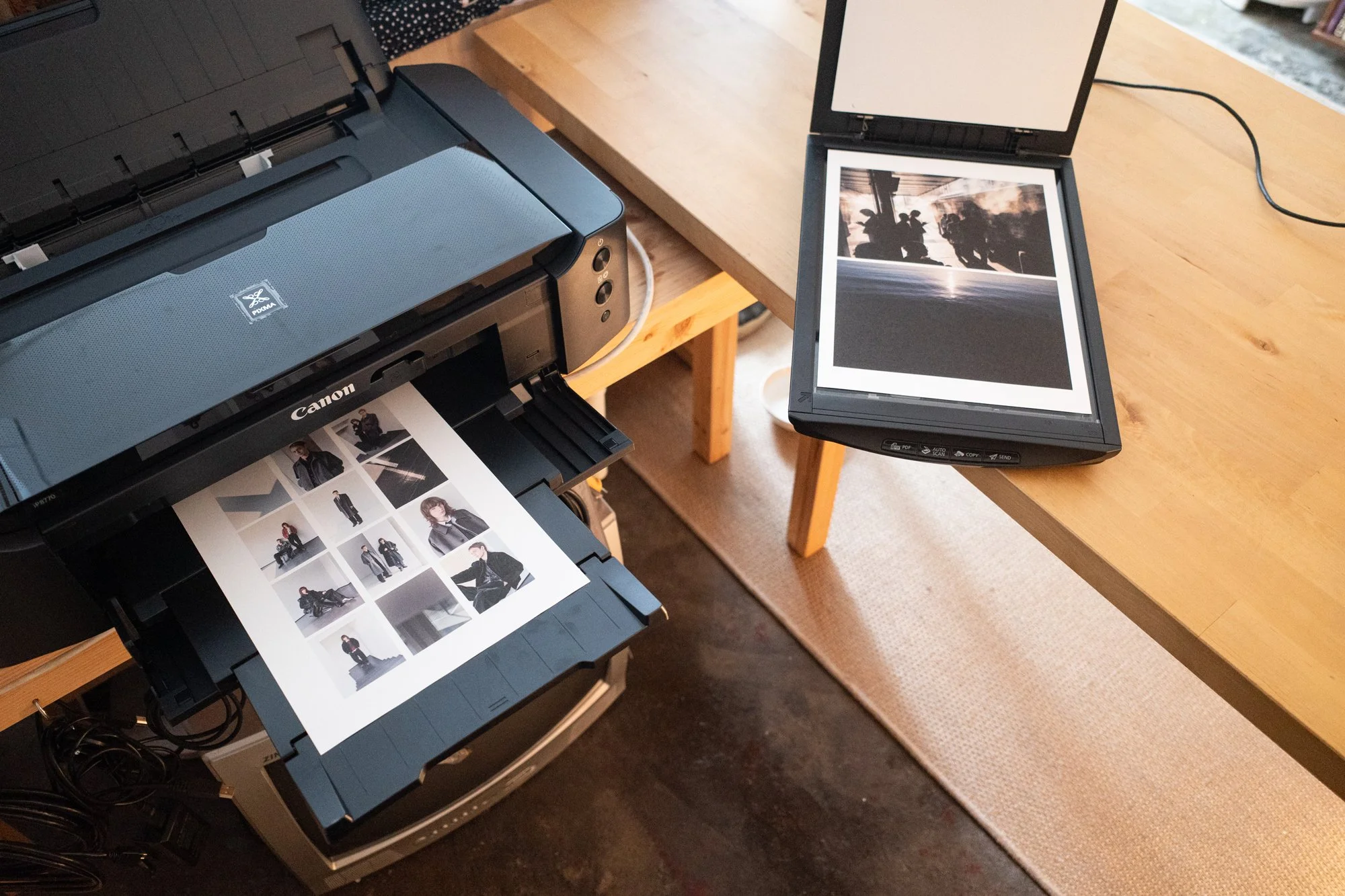
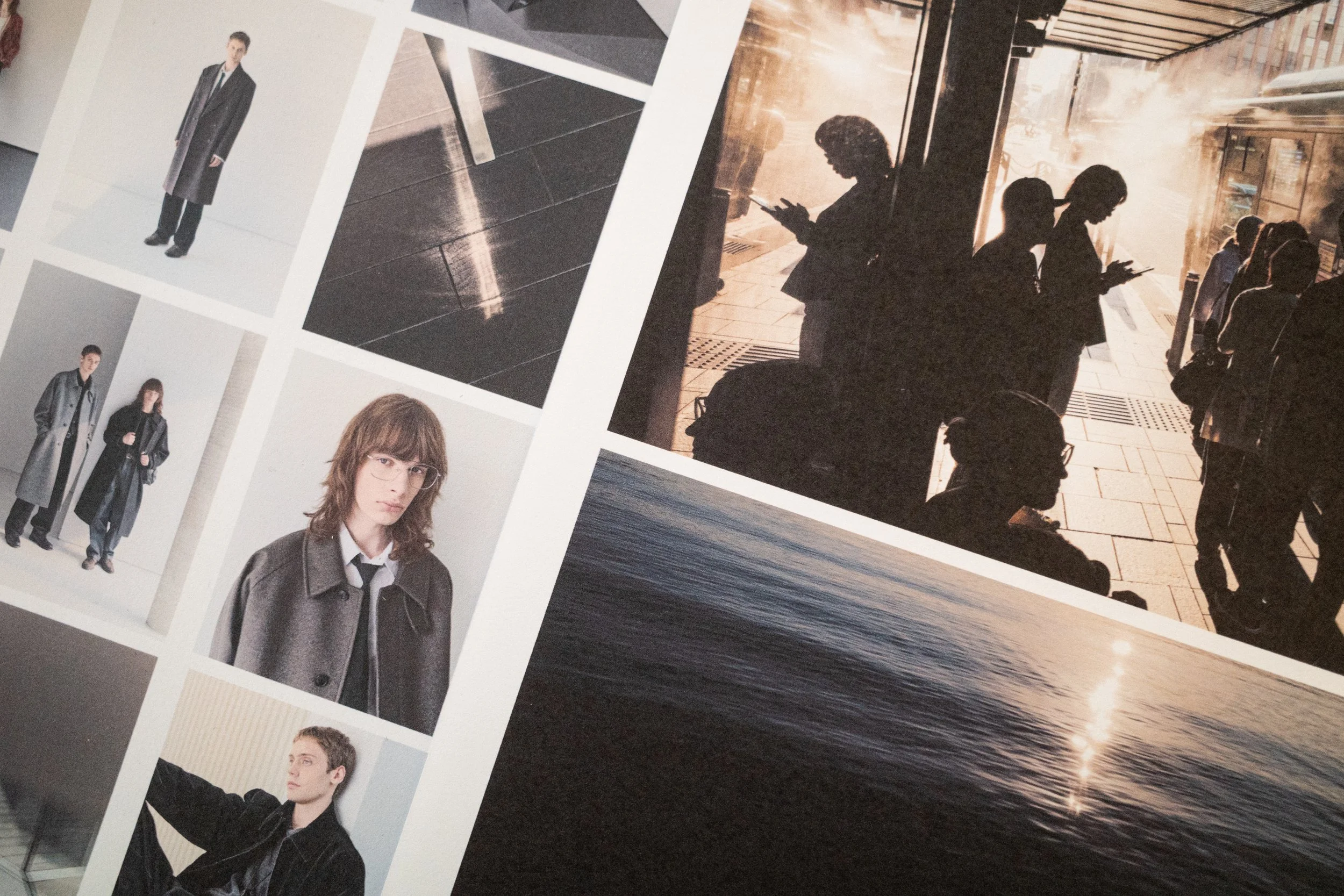
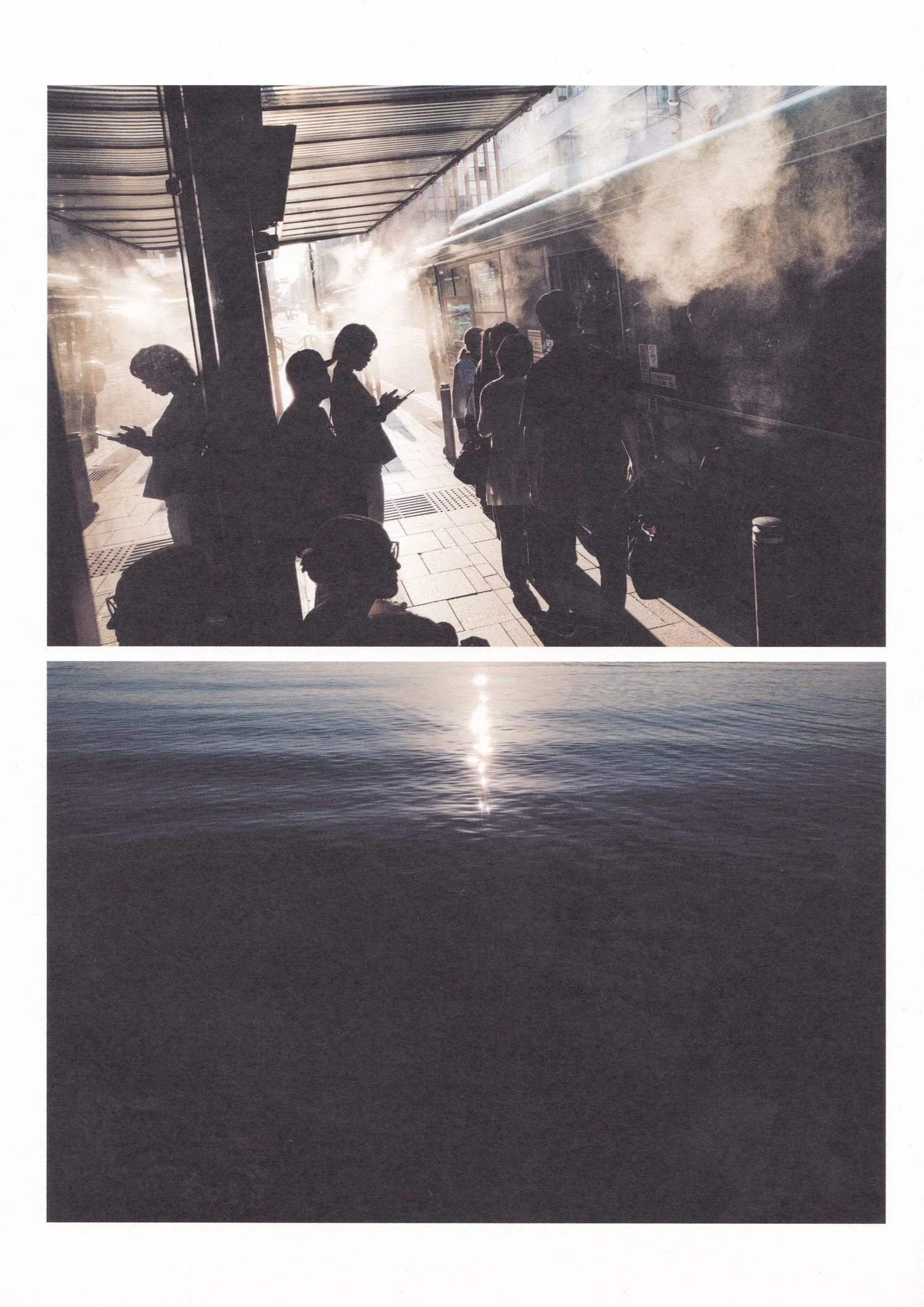
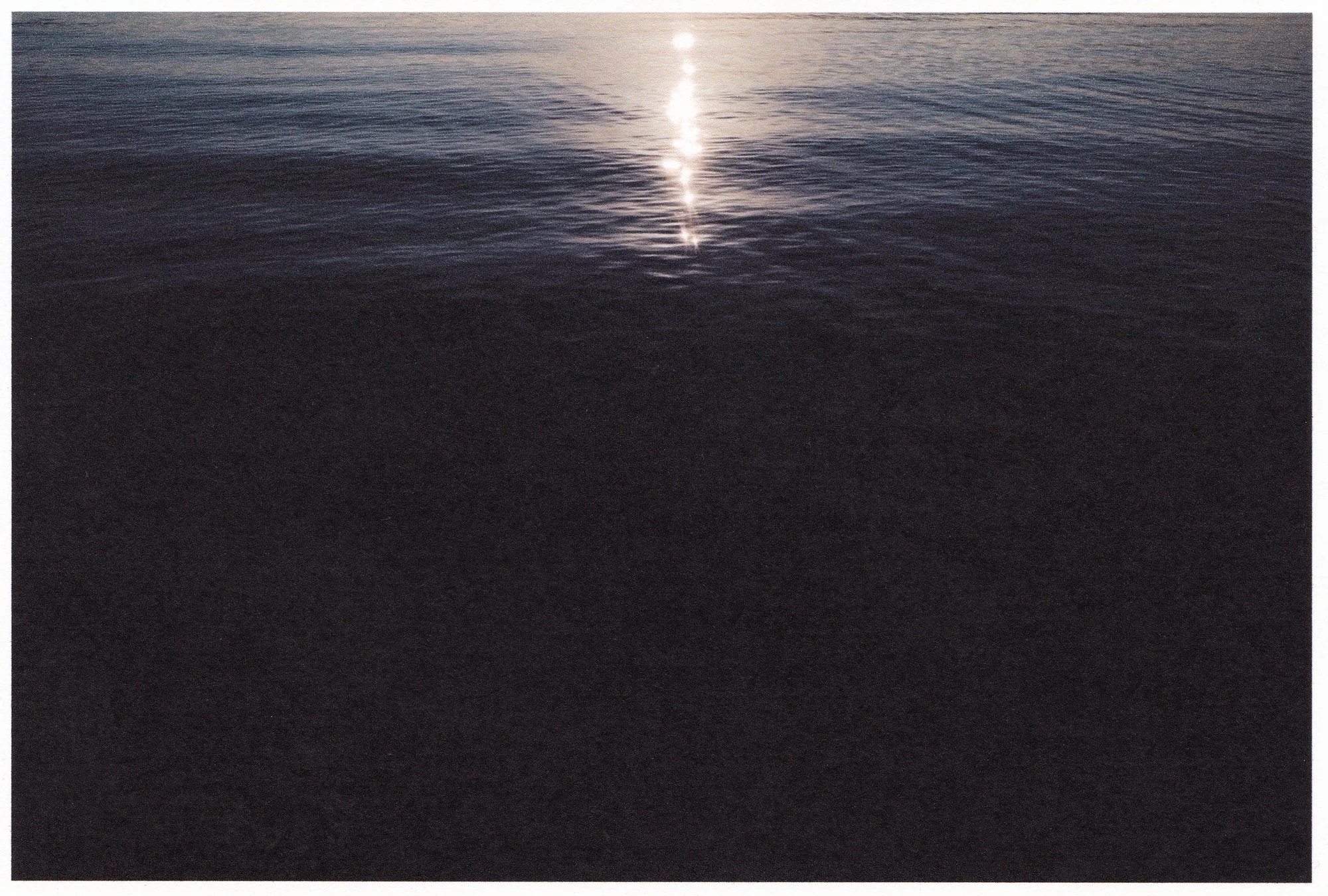
Once the photos were printed I could capture them in one of two ways: camera or scanner. I decided to use a Canon LiDE 120 scanner - it’s cheap, light, and only slightly dirty. The scanner produces an image less than half the size of my Z8 and has a number of resolution settings - from 75dpi to 600dpi. I find I like the texture of the paper best when scanned at 600dpi. Here’s the scan of the Japan photos:
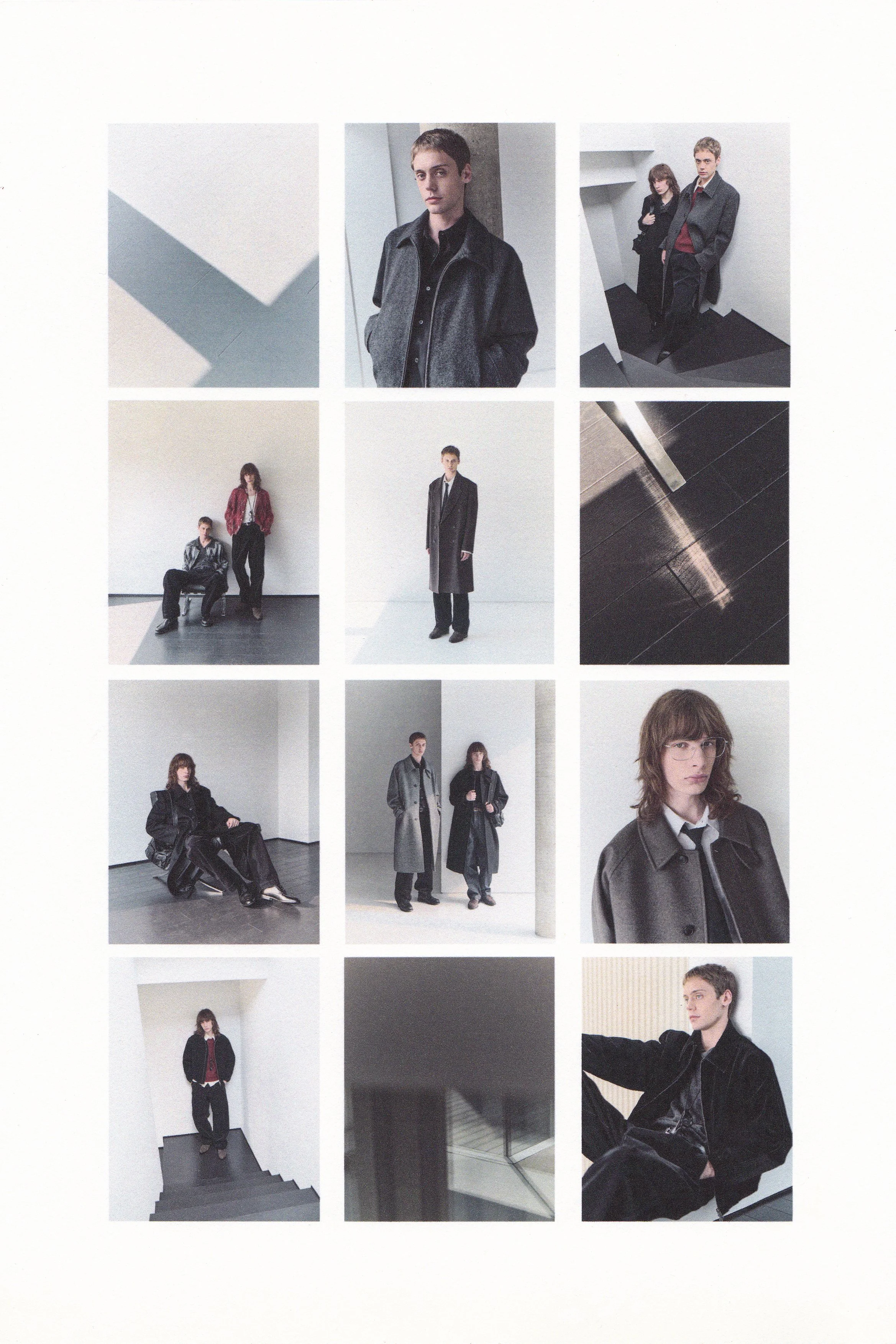
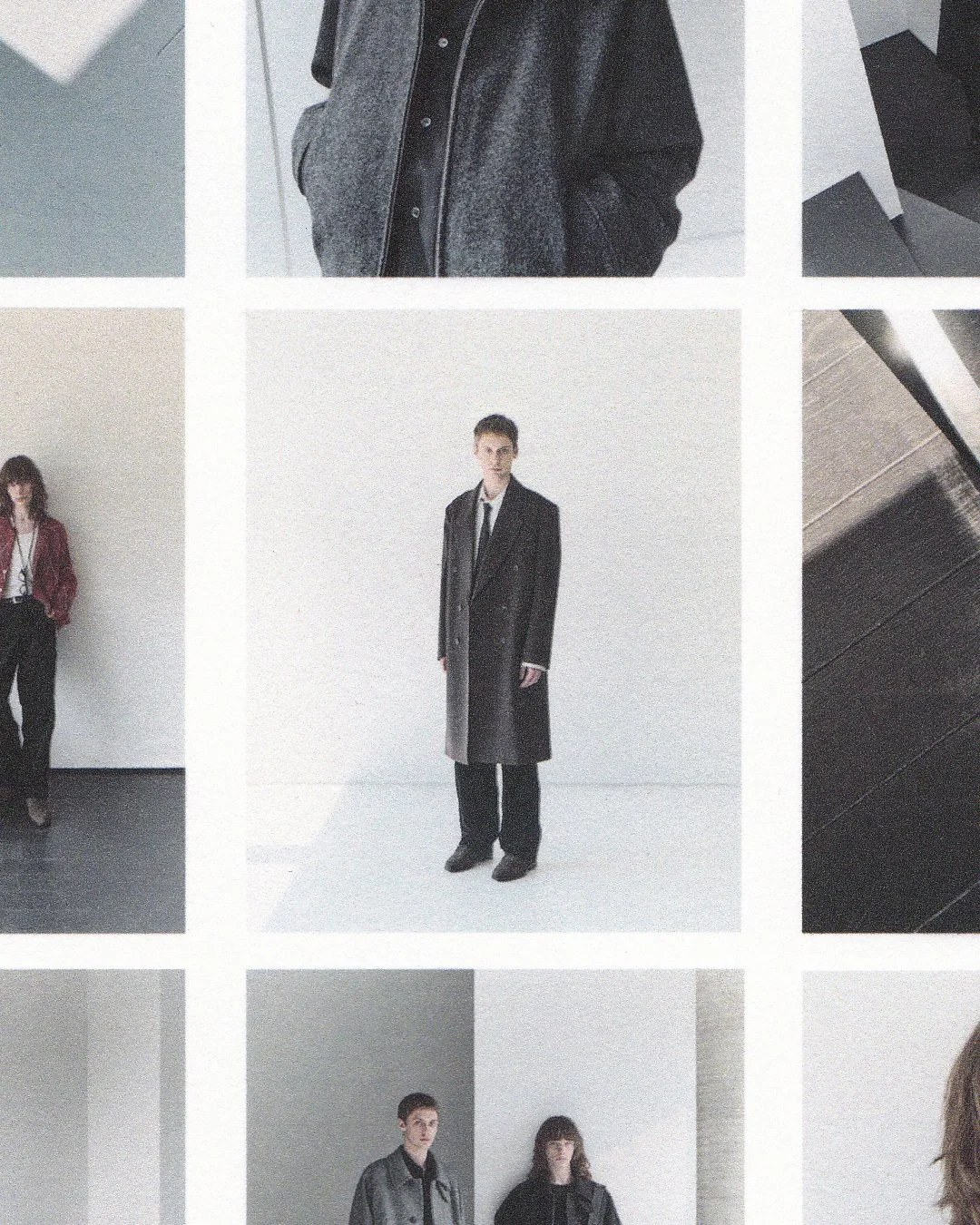
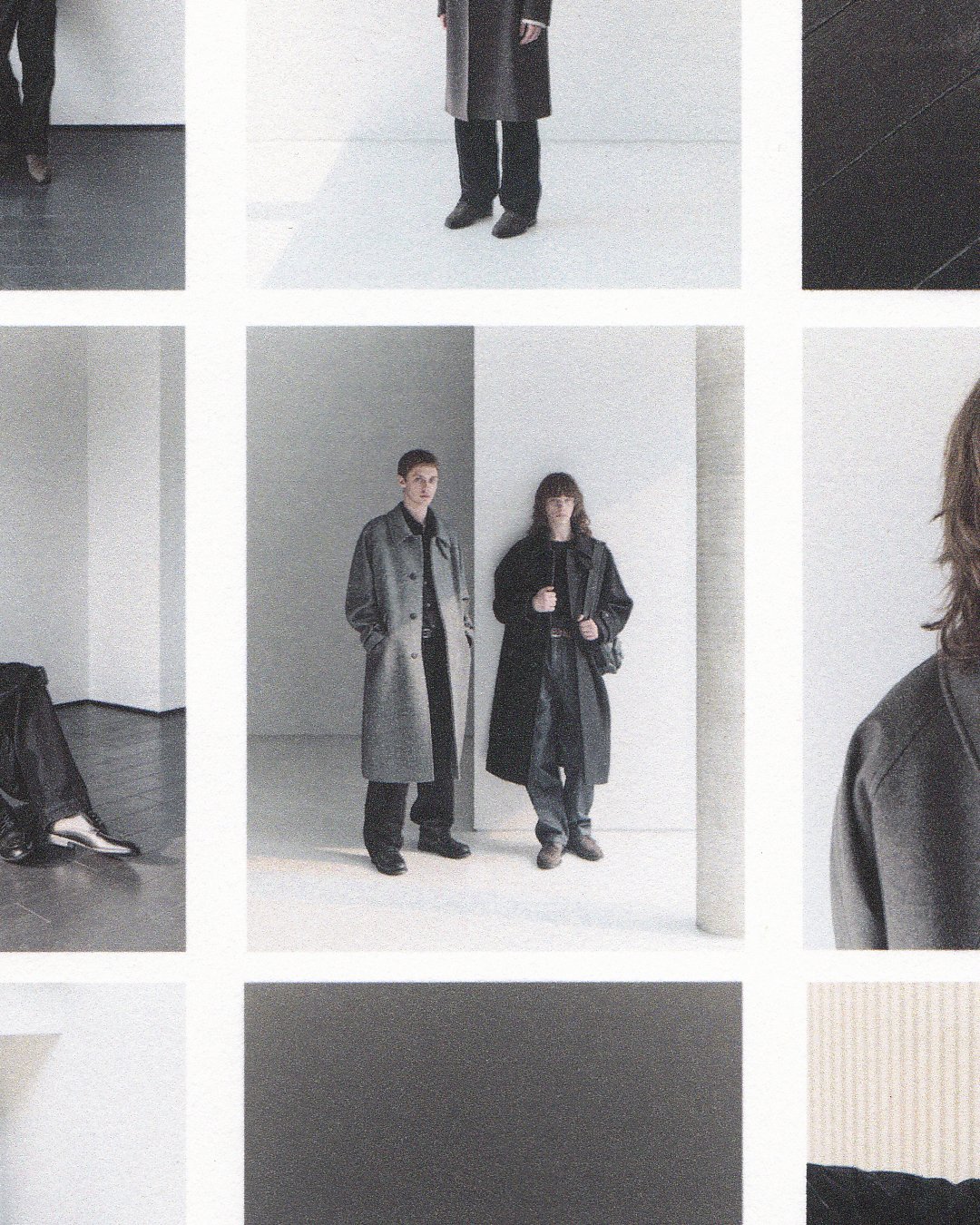
And this is a 300dpi scan of the lookbook collage:
Once the scanning was done and I had .tiff files of the images, I brought them back into photoshop for a final clean up and some light editing. After a few tweaks to the contrast and saturation I had final images that felt real and tactile in a way I would never be able to make through digital processes alone.
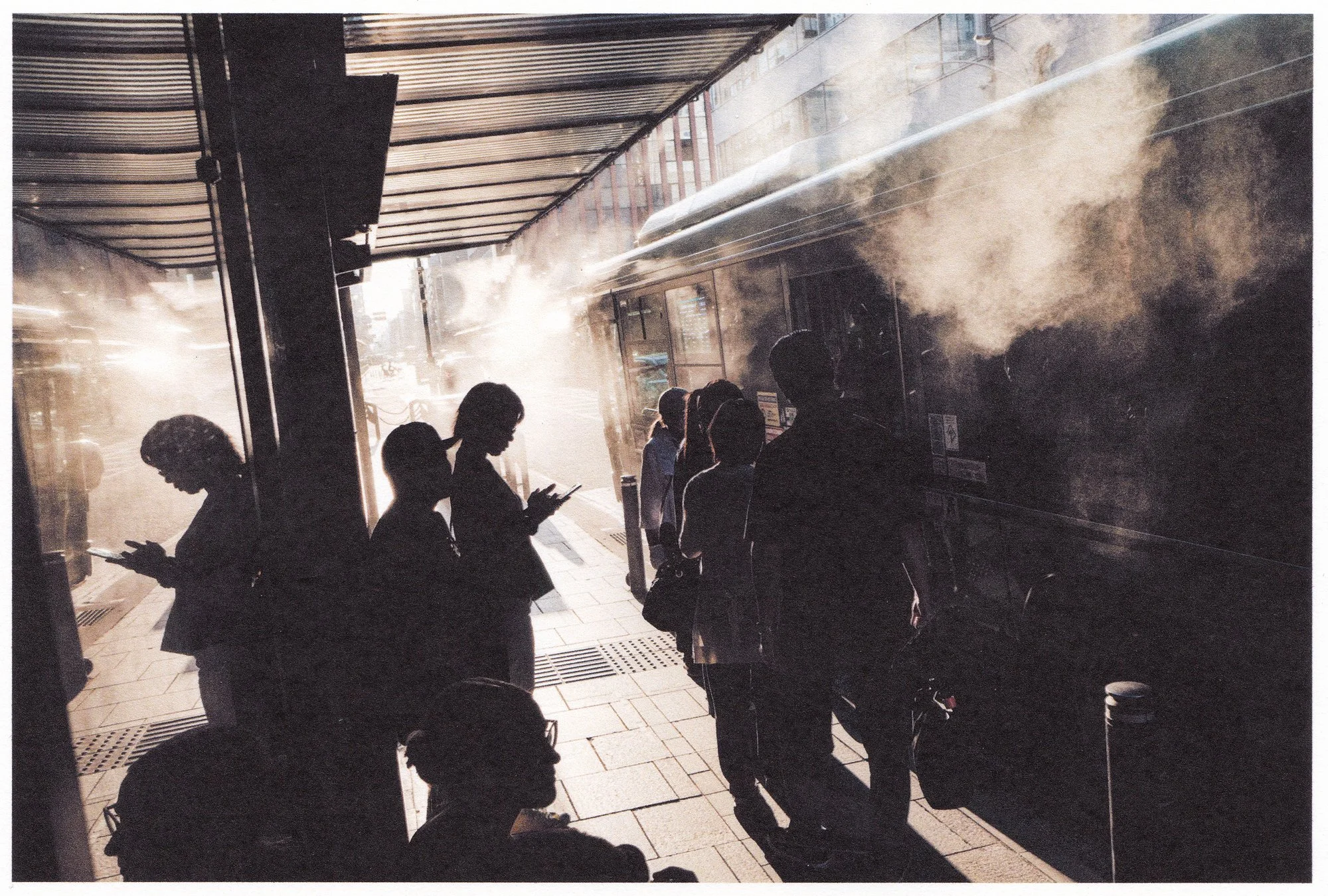
Do you have a preference? Or your own method for mixing digital and analog processes? Drop a comment below I’d love to hear about it!
As a bonus here are a few additional experiments in presentation. For these I printed a collage of 35mm photos from Seoul and Dallas onto two 5x7 sheets of luster photo paper.
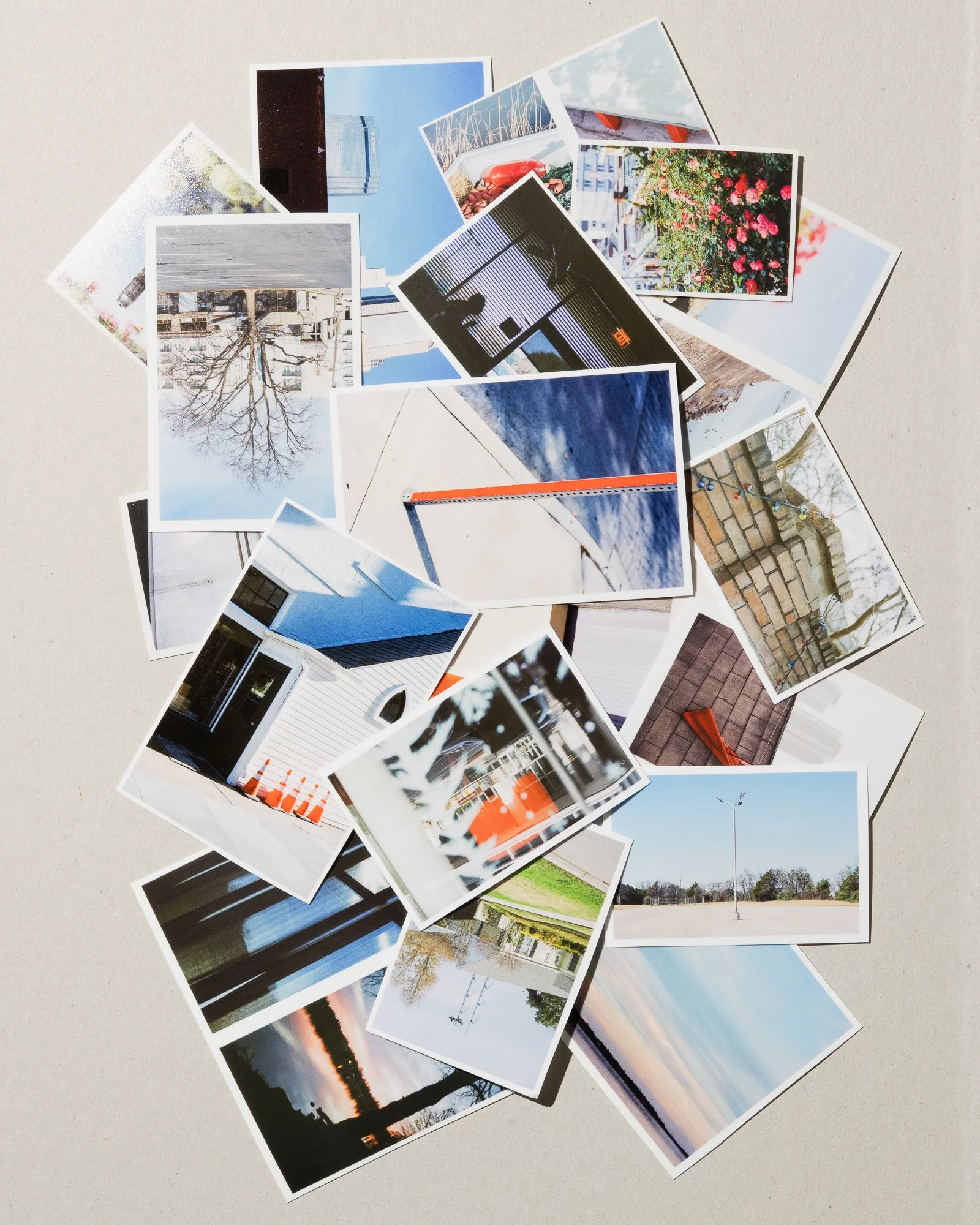
All I was looking for was colour between the images that felt cohesive. I cut the collages up into small individual prints, and arranged them on the upturned lid of the box the paper came in. I photographed the array with the box on plain white paper for a background, using an off-camera flash with a diffuser to light everything evenly.
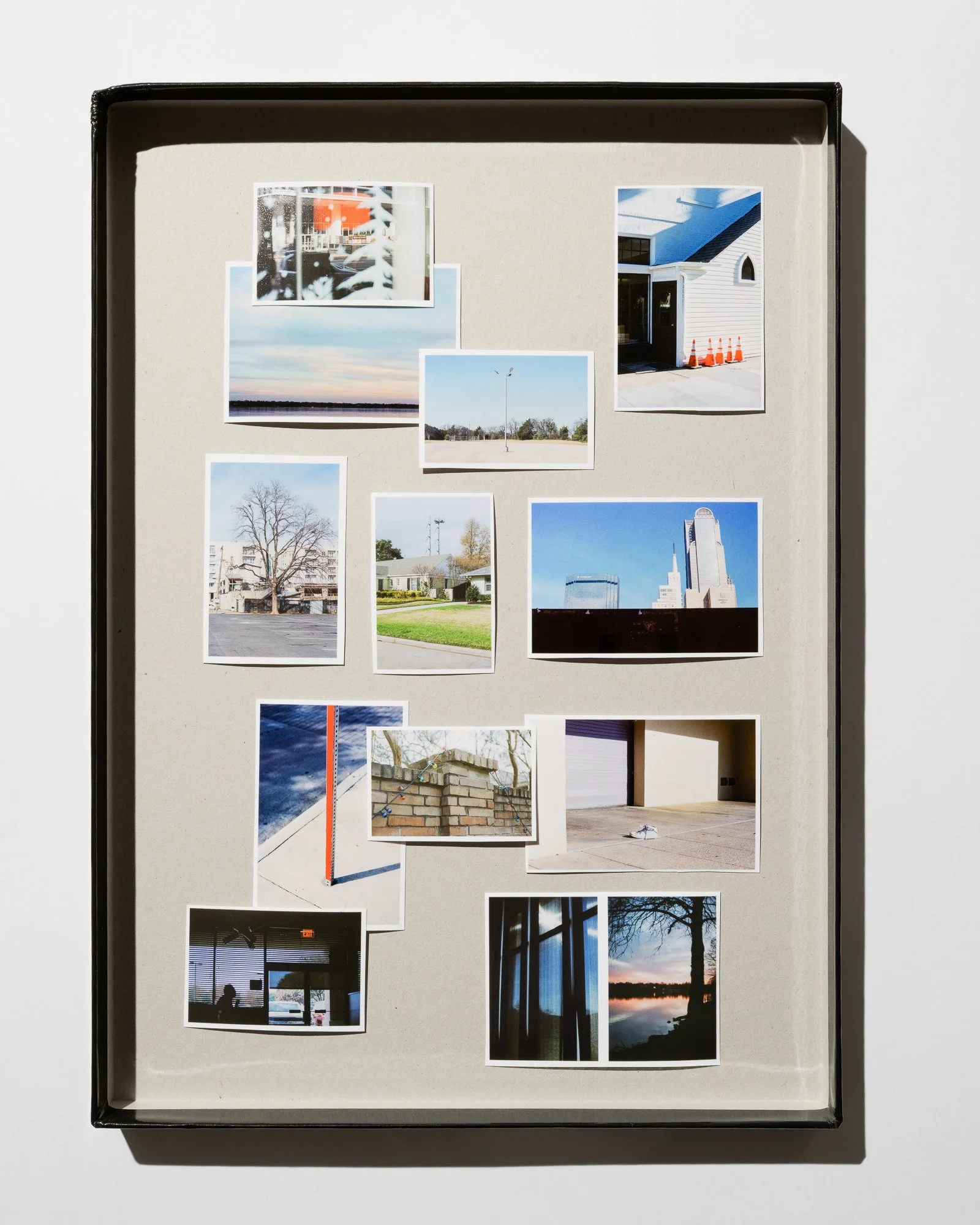
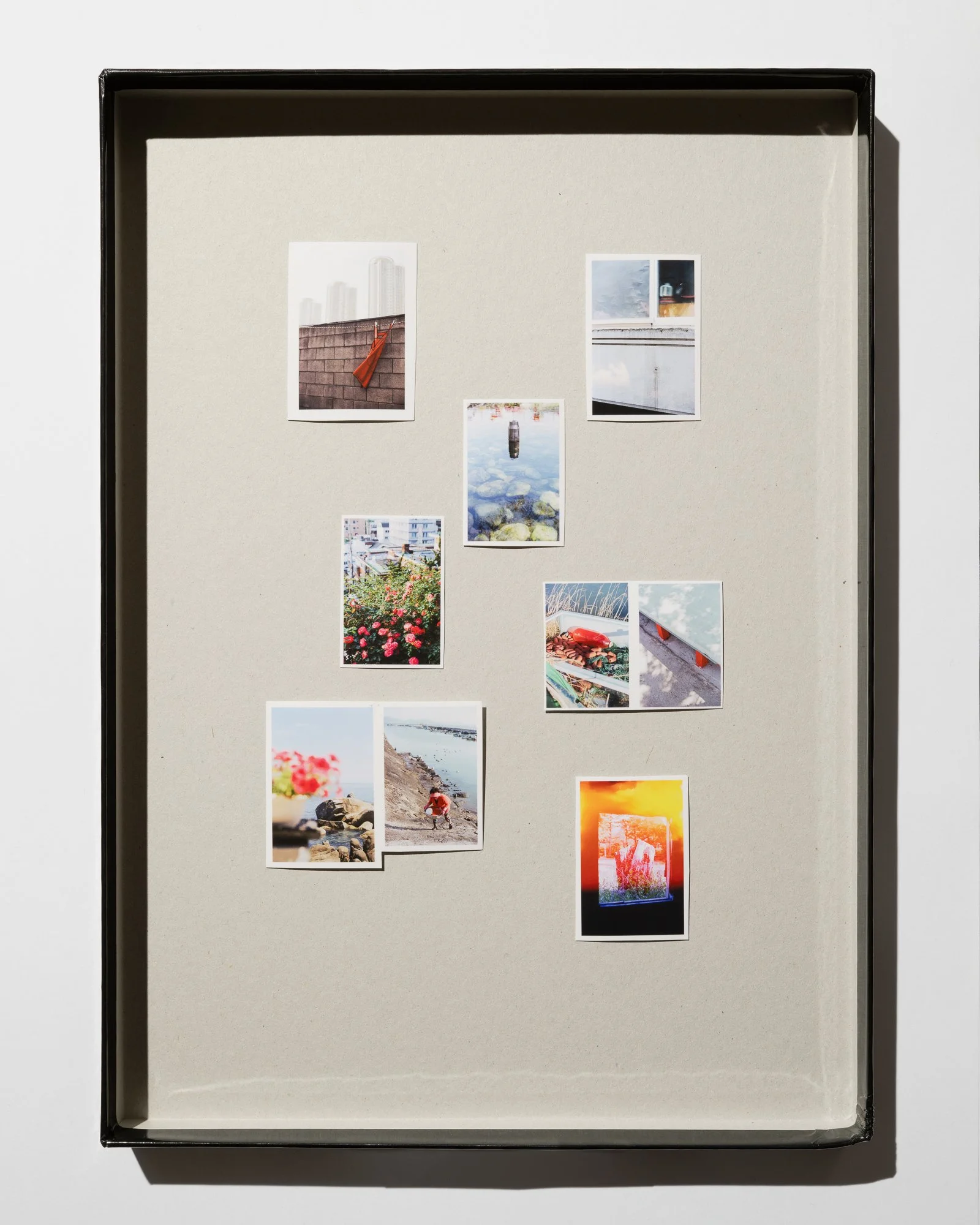
I’m not sure whether I prefer the box being visible or the plain background, but either way I’m excited to keep experimenting with image presentation. I can feeling it influence my thoughts on how I would want to show work in a gallery setting, beyond the typical ‘print-in-frame’ route.
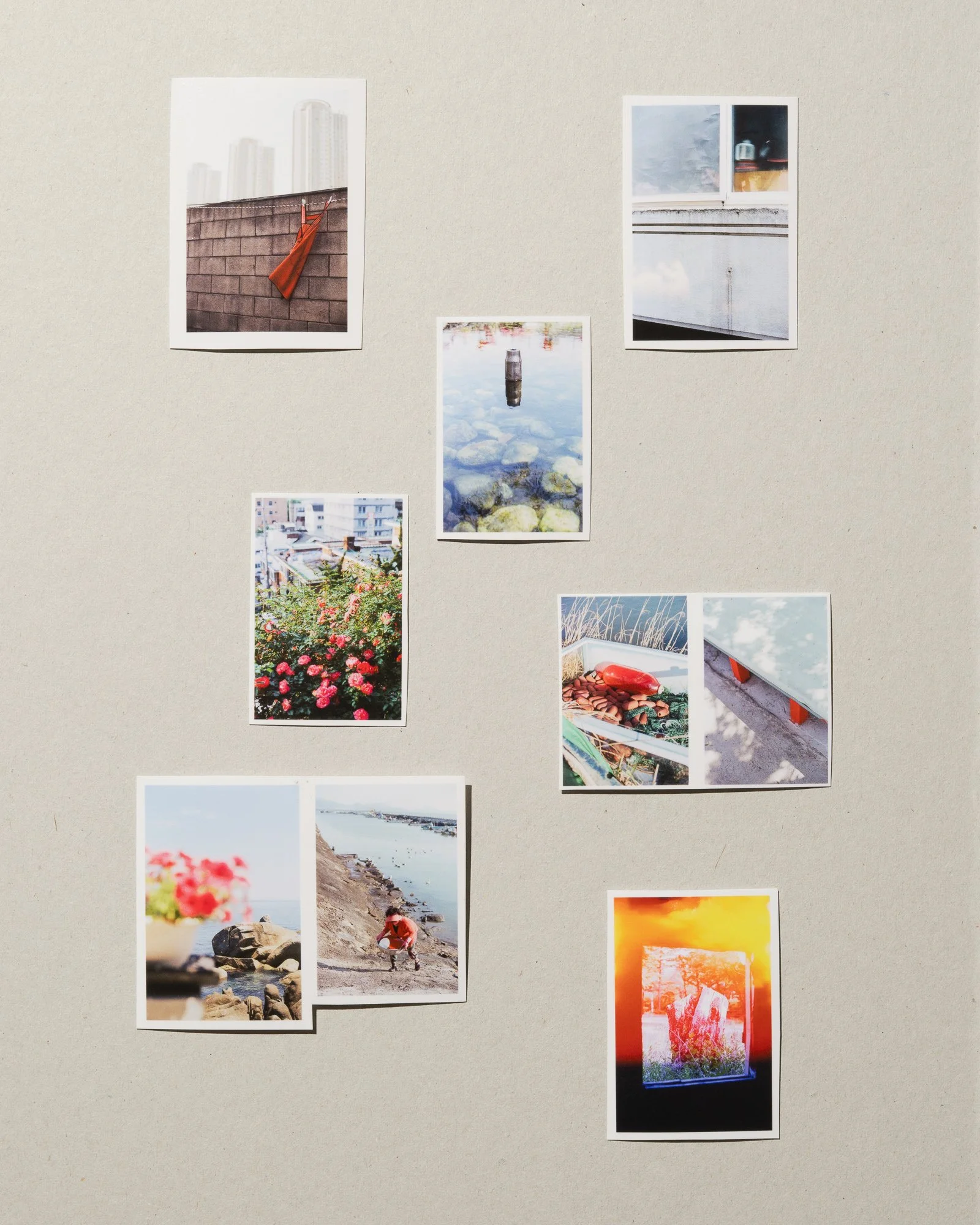
If you have any examples of photos being presented in a novel way, please send them through!
Cheers,
Chris ✌️